Projects

Selected work shaped by real operating conditions.

These examples show the kind of work Pixtell takes on: deployments and system design efforts where the technical solution has to fit the business environment, not the other way around.

Agriculture Edge deployment Jetson

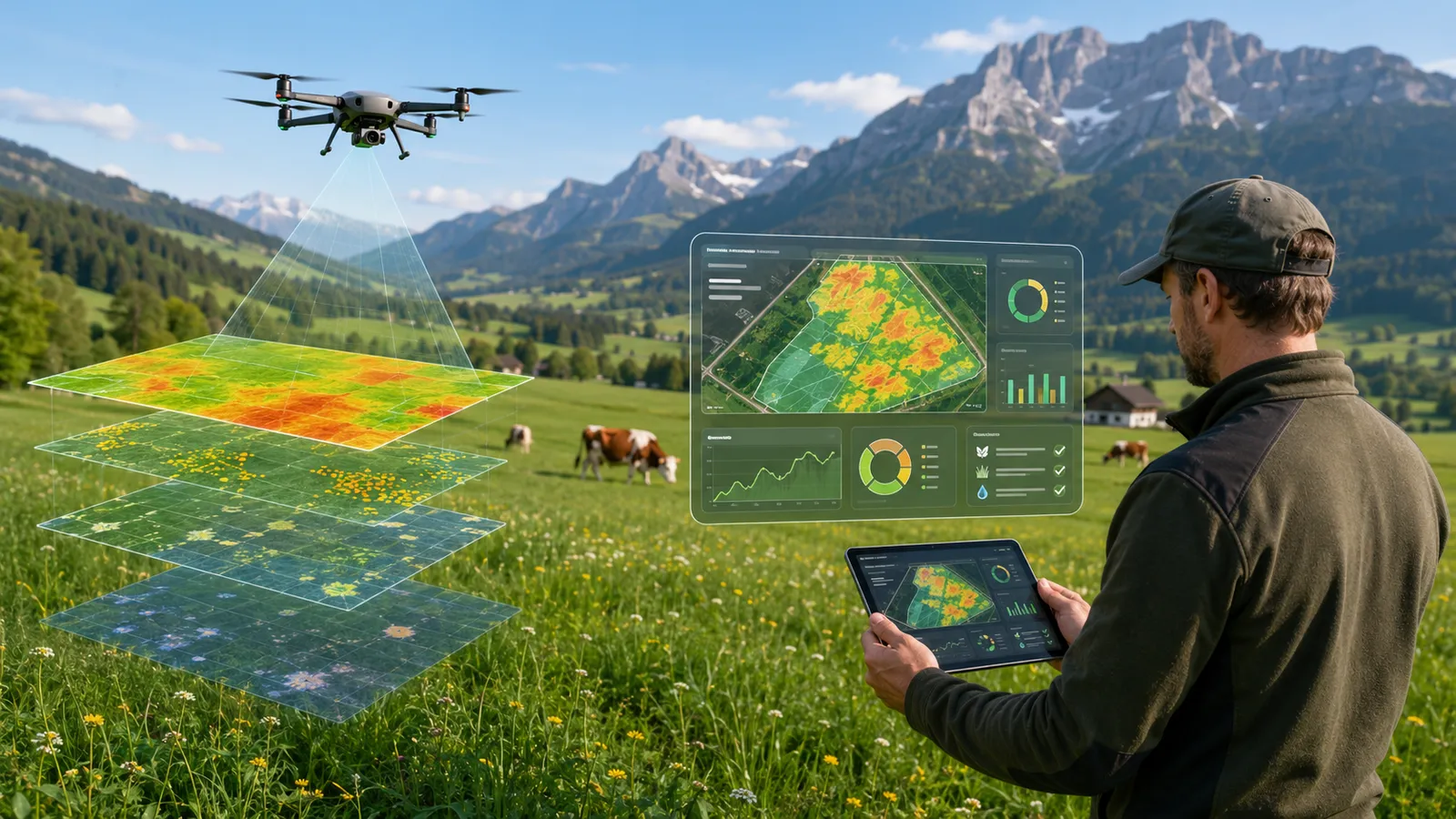
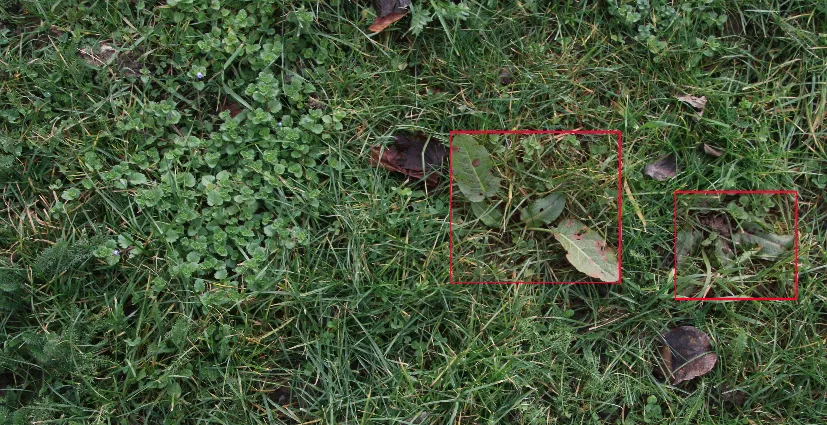
Field weed detection for targeted treatment

Visual AI running on tractor-mounted NVIDIA Jetson hardware to detect weeds in motion and support localized treatment decisions under variable light, vibration, and field conditions.

Field weed detection project imagery

Operating environment

Open-field deployment with shifting light, dust, plant overlap, and tight latency expectations.

System scope

Detection pipeline, hardware optimization, and reliable handoff from perception to machine action.

Business relevance

Support more precise intervention and reduce reliance on broad treatment strategies.

Environment Drone imagery Field mission

Biodiversity monitoring from aerial imagery


Detection workflow for penguin counting from drone imagery in collaboration with Jean-Louis Etienne and Agroscope, designed to produce operationally usable outputs for field-linked monitoring activity.

Penguin monitoring project imagery

Operating environment

Aerial imagery with challenging scale, variable backgrounds, and mission-specific reporting needs.

System scope

Detection logic, data structuring, and count-ready outputs that can be reviewed and used by non-technical stakeholders.

Business relevance

Improve the speed and consistency of wildlife monitoring workflows tied to environmental research programs.

Enterprise Advisory Procurement

Requirements and acceptance design for enterprise roll-out

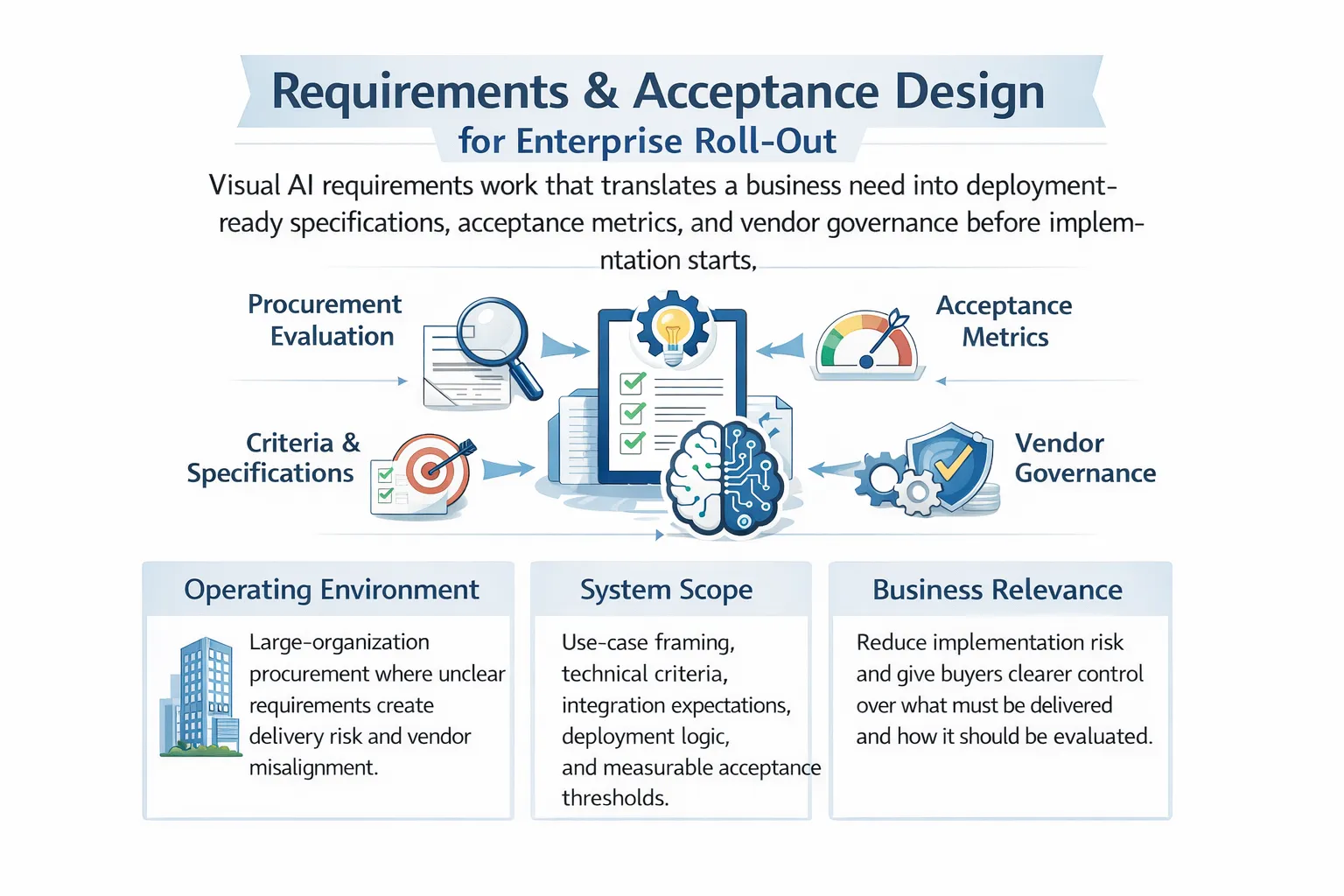
Visual AI requirements work that translates a business need into deployment-ready specifications, acceptance metrics, and vendor governance before implementation starts.

Requirements and acceptance design project imagery

Operating environment

Large-organization procurement where unclear requirements create delivery risk and vendor misalignment.

System scope

Use-case framing, technical criteria, integration expectations, deployment logic, and measurable acceptance thresholds.

Business relevance

Reduce implementation risk and give buyers clearer control over what must be delivered and how it should be evaluated.

Swiss services Documents Workflow integration

Document interpretation workflow for tax preparation

Service concept for Swiss fiduciary and tax advisors where client tax-document sets are interpreted, structured, and prepared for downstream workflow entry into cantonal tax software.

Tax preparation workflow project imagery

Operating environment

Document-heavy professional services workflows with varied file quality, repeatable fields, and time pressure during preparation cycles.

System scope

Document ingestion, extraction logic, structured output, and workflow support for pre-fill and case preparation tasks.

Business relevance

Shorten preparation time, reduce manual re-entry, and improve consistency across high-volume administrative work.

Across projects

What stays constant from one deployment to the next.

  • 1The system is defined around a business action, not just a technical benchmark.
  • 2Deployment conditions are treated as first-order design inputs.
  • 3Integration decisions are made alongside model decisions, not after them.
  • 4Clients need a practical path to run, review, and improve what gets delivered.